p4r4d0xb0x
Rustacean, AI, OSS Enthusiast
View all authors

AISBF — Operating an OpenAI-Compatible Router and Local CoderAI Workers

· 5 min read
p4r4d0xb0x
Rustacean, AI, OSS Enthusiast

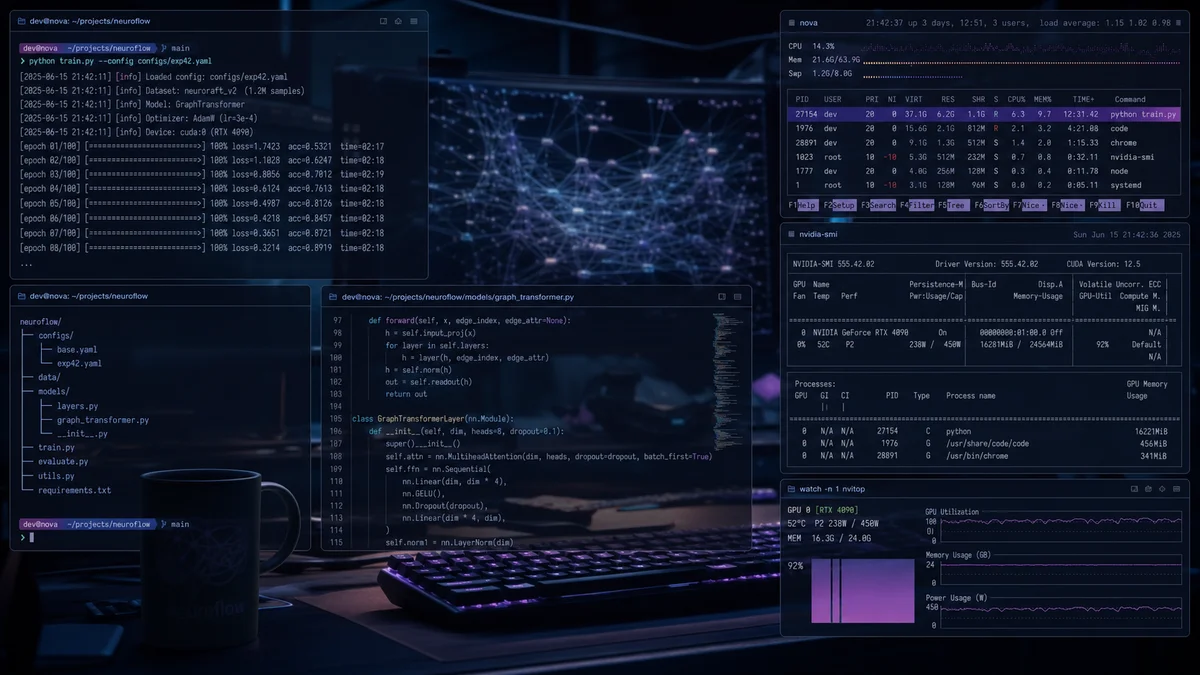
AISBF is a lightweight control plane centered on an "OpenAI-compatible gateway" that combines multi-provider routing, local GPU workers called CoderAI, rotation and failover paths, and privacy and policy controls. This post provides a technical summary of features and operational considerations visible in the public demo and documentation at aisbf.cloud. Because the source does not clearly provide specific design or performance figures, the analysis marks uncertain areas.
AutoGPT Platform Analysis: Agent Platform Architecture and a Practical Self-Hosting Guide

· 5 min read
p4r4d0xb0x
Rustacean, AI, OSS Enthusiast

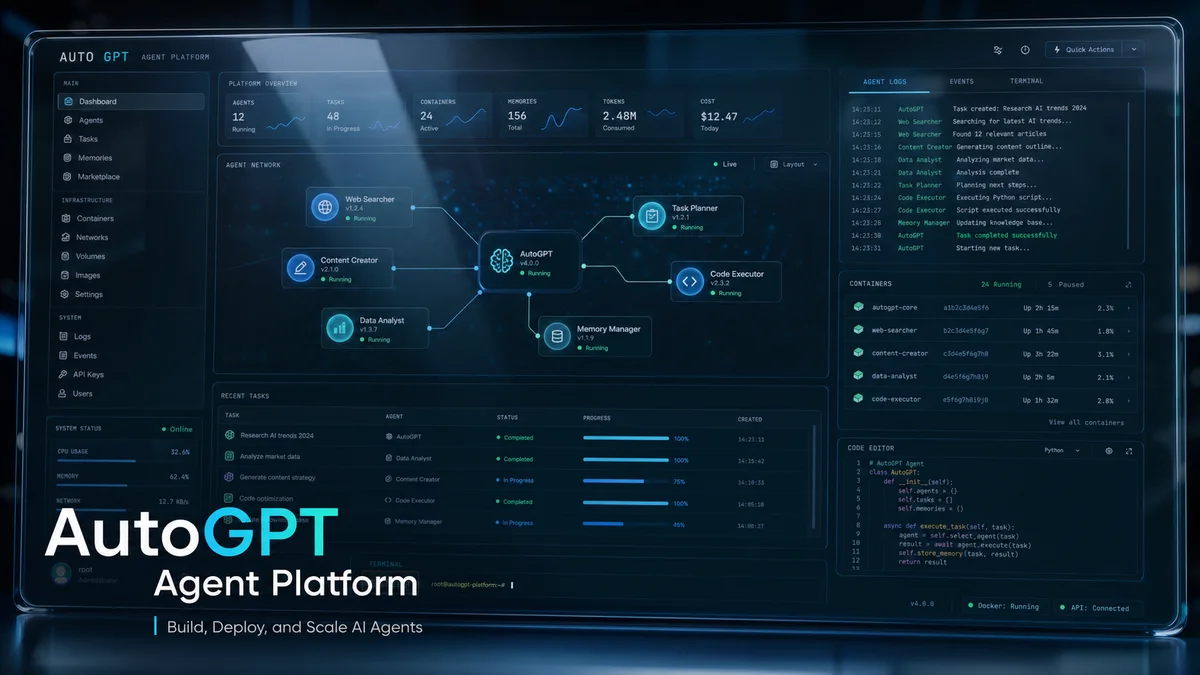
Based on the AutoGPT repository README and related documentation excerpts, this post provides a technical overview of the AutoGPT platform's main autogpt_platform components, self-hosting procedure, developer tools—Forge, agbenchmark, the CLI, and the frontend—and licensing considerations. The source is distributed across the repository README and partial documentation, so some details below are not fully contained in the provided evidence. Consult the linked official documentation as well.

Claw Patrol: Design and Operational Perspectives on a Firewall for Agents

· 5 min read
p4r4d0xb0x
Rustacean, AI, OSS Enthusiast

cover

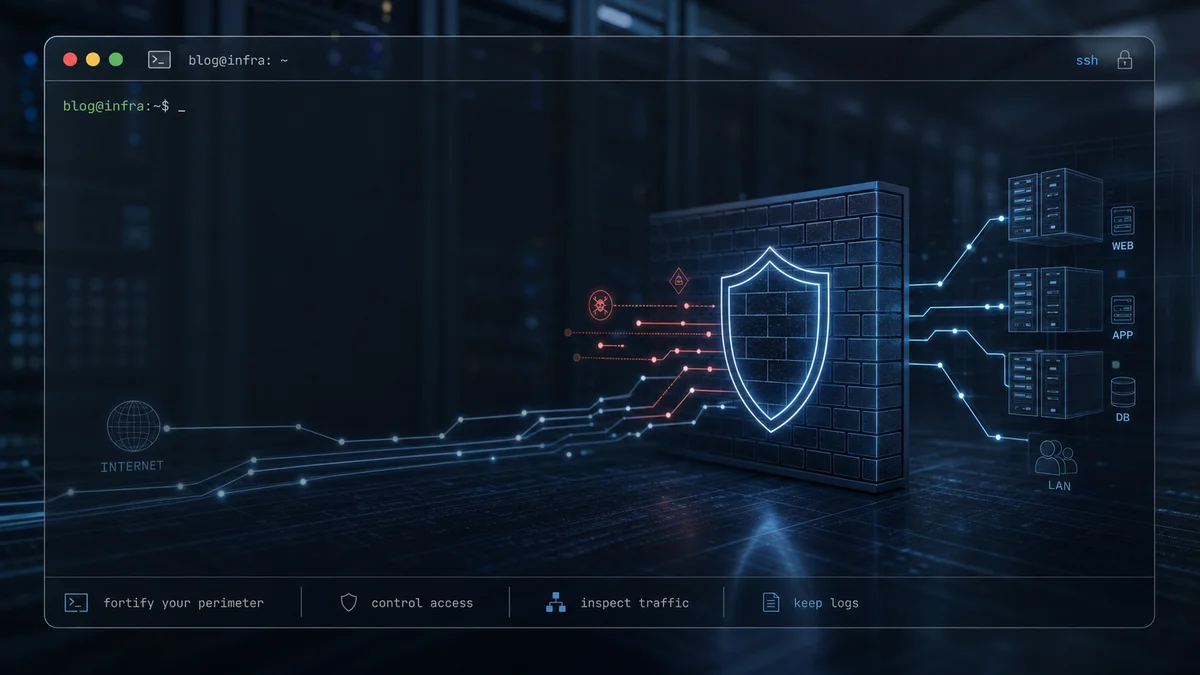
Claw Patrol is a gateway that intercepts network traffic generated by agents—processes or automated agents—and inspects and blocks it in real time so that unnecessary or dangerous requests do not reach production systems. Based on the public README and repository information, this post provides a technical overview of the architecture, rule languages, deployment options, and operational considerations. It reflects only facts from the source where possible and marks uncertainty where implementation details outside the repository, such as every internal edge case, are absent from the evidence.

Cloudflare workerd Runtime Analysis: A Guide to the Server-Side JavaScript/Wasm Environment

· 6 min read
p4r4d0xb0x
Rustacean, AI, OSS Enthusiast

cover

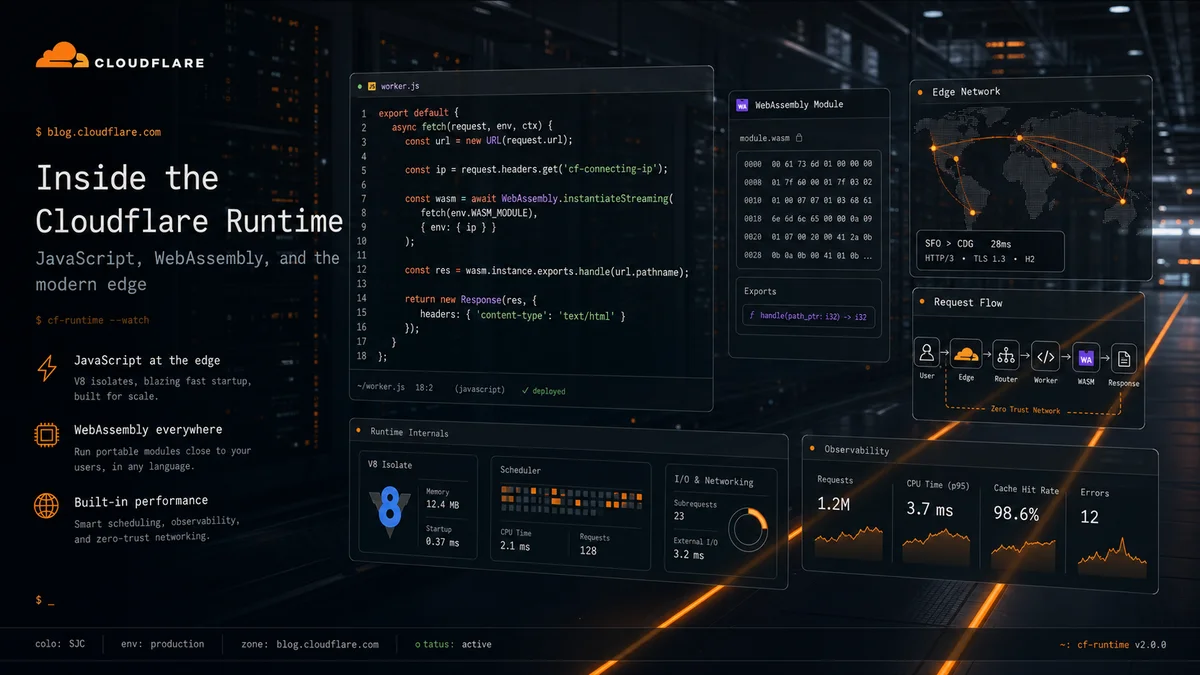
Cloudflare's open-source project workerd is a server-side JavaScript/Wasm runtime derived from the same codebase that powers Cloudflare Workers. The repository documentation presents three main use cases: self-hosting as an application server, use as a local development tool, and use as a programmable forward or reverse HTTP proxy. Its design philosophy emphasizes server-first operation, compliance with web standards such as fetch(), a high-performance nanoservices architecture, and a configuration-driven capability-binding model.

EAGLE-360: Embodied Active Global-to-Local Exploration in 360° Environments

· 6 min read
p4r4d0xb0x
Rustacean, AI, OSS Enthusiast

EAGLE-360 (2026) addresses embodied active visual exploration in 360° panoramic environments. It identifies how existing multimodal LLM approaches struggle to capture continuous panoramic topology and severe polar distortion, reducing target-detection accuracy. The paper proposes a Global-to-Local strategy that uses a global prior to narrow the initial search space and progressively transitions to local search, together with a model design that applies RoPE Rolling, a coordinate-shifting positional encoding, to continuous panoramic topology. It also reports constructing the large EAGLE-360 dataset with more than 14,000 4K panoramas and more than 70,000 rounds of high-quality VQA conversations, and claims that a training pipeline combining Supervised Fine-Tuning (SFT) and Group Relative Policy Optimization (GRPO) elicits spatial reasoning and tool-calling abilities.

Firecrawl: A Web-Scale Data Collection Platform from an Infrastructure Perspective

· 6 min read
p4r4d0xb0x
Rustacean, AI, OSS Enthusiast

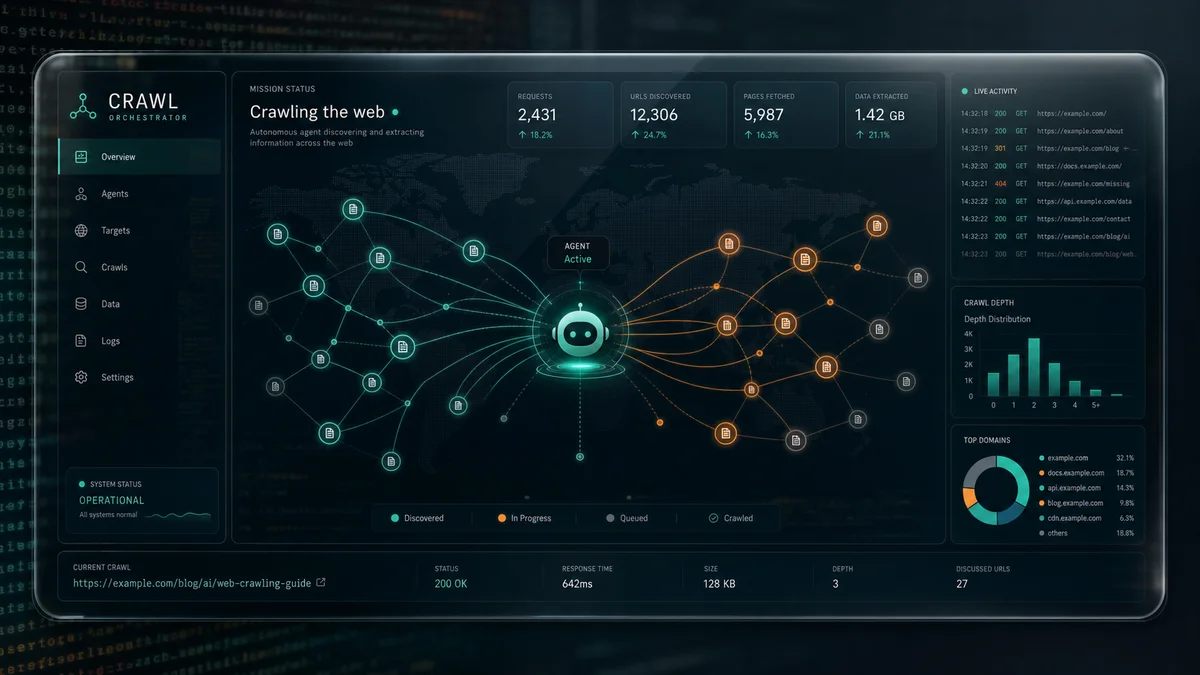
The repository documentation introduces Firecrawl as "The API to search, scrape, and interact with the web at scale." Alongside its public AGPL-3.0 codebase, it provides a hosted service that bundles typical web-data collection features such as Search, Scrape, Interact, Agent, and Crawl into APIs and SDKs. Prominent repository claims such as "covers 96% of the web" and "P95 latency of 3.4s" present notable targets for performance and reach, but the evidence package does not fully include benchmark details such as measurement conditions and the target-site set. The sections below therefore combine a public-documentation summary with an infrastructure-oriented interpretation.

Forge: Analyzing the Tool-Calling Reliability Layer for Self-Hosted LLMs

· 7 min read
p4r4d0xb0x
Rustacean, AI, OSS Enthusiast

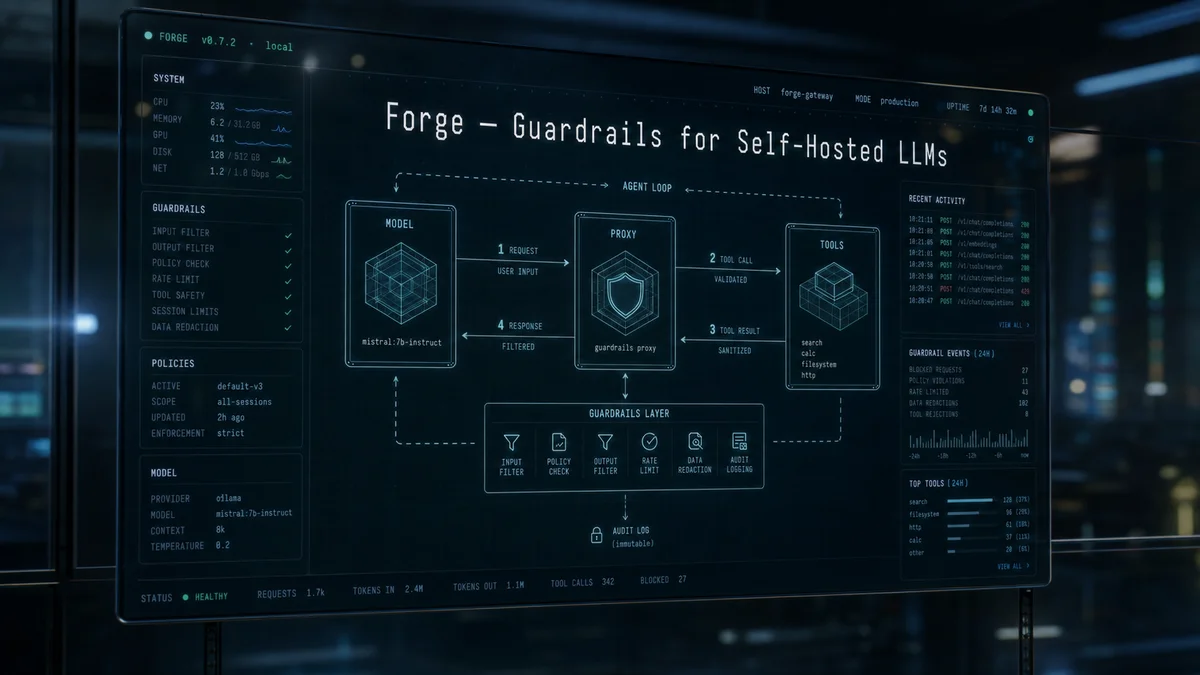
Forge is a reliability layer designed to make tool calling safe and consistent for self-hosted LLMs running on local or managed backends. Based on the public README and documentation—including project structure, proxy behavior, the workflow runner, and evaluation harness—this post summarizes its core design, operating modes, and considerations for practical adoption.

Gemini CLI: Analyzing Terminal Agent Workflows and Integration Strategies

· 6 min read
p4r4d0xb0x
Rustacean, AI, OSS Enthusiast

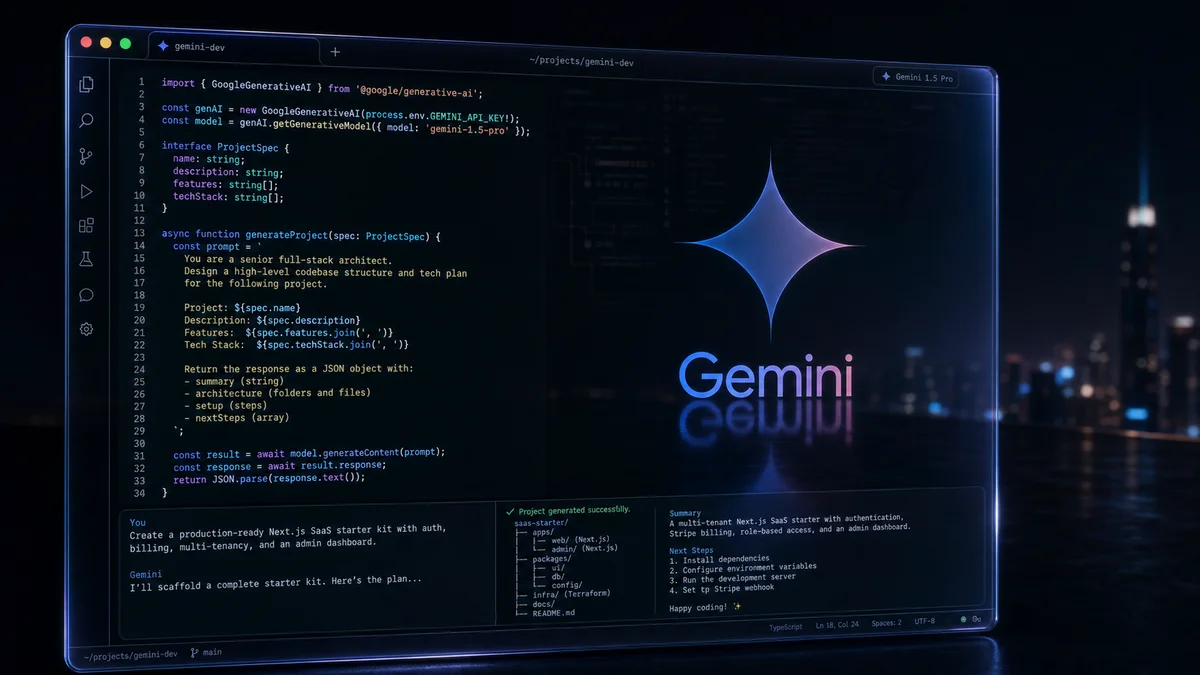
Gemini CLI is an open-source agent that provides direct access to Gemini models from a terminal. According to the official README and documentation, its core goal is to provide "the most direct path from your prompt to our model." It supports a developer-friendly terminal-first design, built-in tools for file manipulation, shell commands, and web fetching, extensibility through the Model Context Protocol (MCP), and multiple authentication options. This post offers a technical analysis of workflow, authentication, and integration patterns grounded in the public repository README and linked documentation.

Hermes Agent: Analyzing a Self-Learning AI Agent Framework for Practical Deployment

· 6 min read
p4r4d0xb0x
Rustacean, AI, OSS Enthusiast

cover

Hermes Agent is an agent platform released by Nous Research. It presents a terminal-centered TUI, multiple messaging gateways including Telegram, Discord, and Slack, cloud and local execution options, and the agent's own closed learning loop. This post summarizes and analyzes the main design philosophy and operating choices visible in the README and documentation badges.